
Components

儒 means 'Confucius'

Animation / stroke order not available.
LOG IN to view this kanji's mnemonic
Strokes : 16    Frequency: 2025   JLPT: N1    Usefulness: 5    Study set: 5-38    Grade: 8   Intermediate lesson: -    Beginner lesson: -   Begins 15 words   Used in 29 words   Used in 9 names   Not used as a component
Jōyō (常用)
On
   ジュ
A Joy o' Kanji essay is available for 儒 - click the badge to download
"Even though Japanese ways of thinking are based on Shinto, Buddhism, and Confucianism, many people think they have no religion." That sample sentence in this essay sheds light on how Confucianism (with its emphasis on hierarchy, filial piety, and education) permeates the culture but how the Japanese don't necessarily recognize the Confucianism underlying their values.
The essay is also included in the following Thematic Bundles
103
Edo Era: Government Overreach
岳 儒 苗 藍
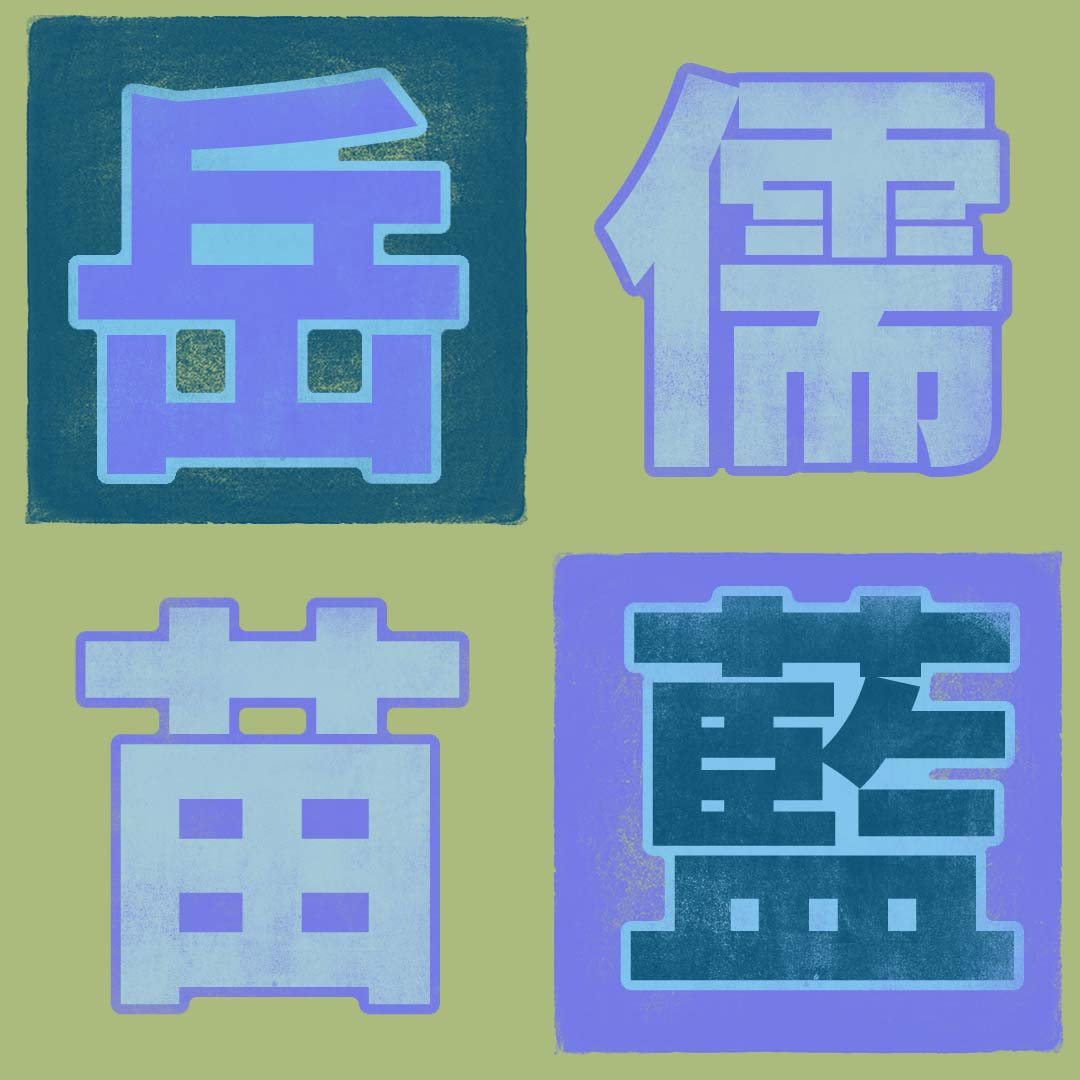
This collection shows that the government had massive control issues during the Edo era (1603–1867)! Commoners couldn't wear silk and could have surnames and swords only if granted permission. The authorities kept borders closed, greatly delaying access to vaccines. The government also banned Christianity and oppressed Christians. To justify extreme levels of control over citizens, the shogunate adopted Confucianism. Its teachings include dedication to one's master, a philosophy supporting the shogun's absolute power. But a rival doctrine emerged, and its criticism of Confucianism as repressive contributed to the collapse of the shogunate, ending the Edo era.
106
Meiji Era: Revolutionary Thinking
倹 儒 窃 慕
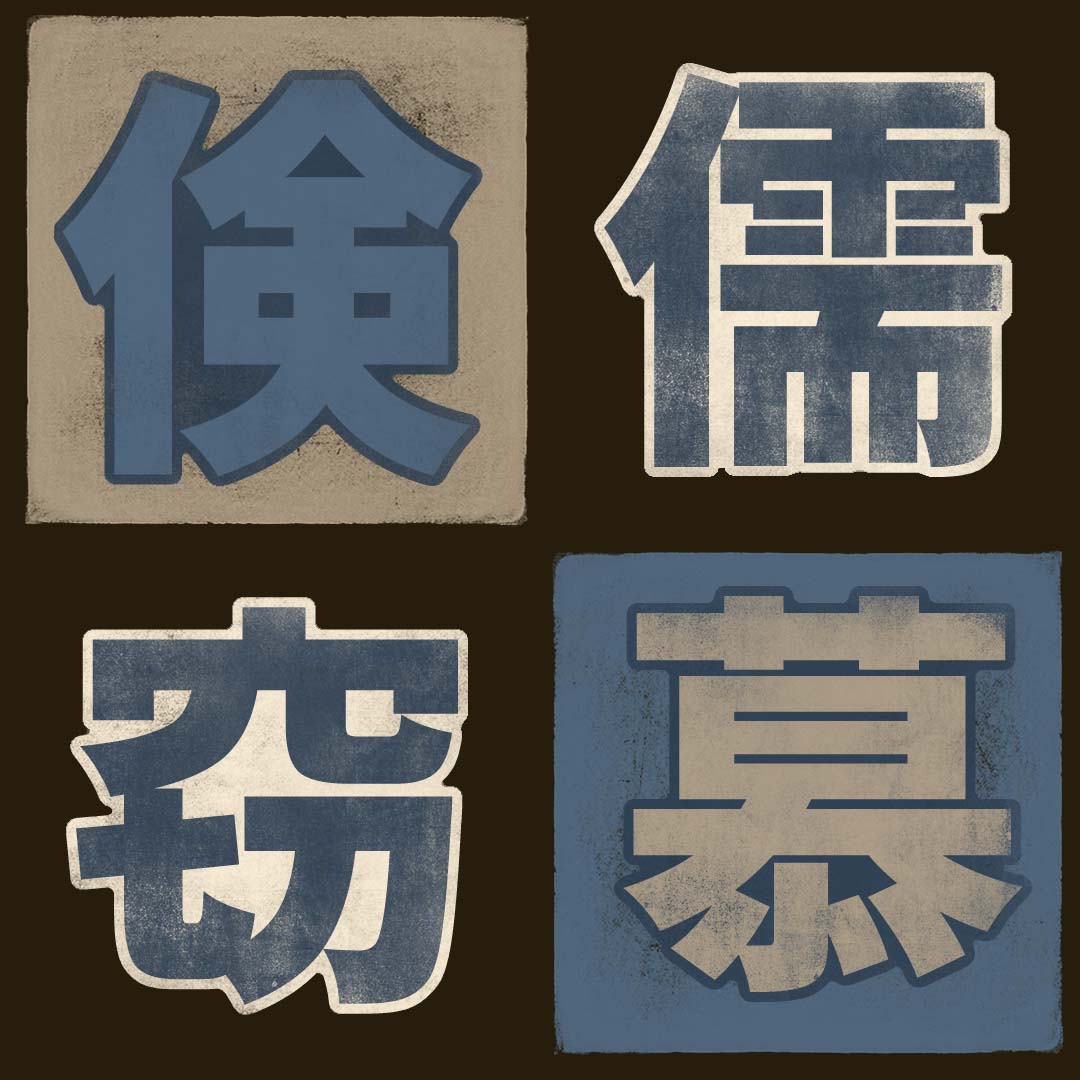
True revolutions require a sea change in a culture's thinking. As this bundle shows, that occurred in many realms during the Meiji era (1868–1912). For instance, writer Yukichi Fukuzawa and entrepreneur Zenjiro Yasuda strongly promoted frugality. So did the Meiji government, which popularized such slogans as "Extravagance Is Our Enemy." The idea was that having the masses save would help Japan develop economically. In addition, old Confucian ideals began to conflict with the population's new hankering for freedom and individualism, tearing families asunder. Finally, the Japanese started to reject plagiarism and embraced concepts such as copyrights.
⿰   () man   need  
Explore these components visually on The Kanji Map ⇗
LOG IN to view kanji mastery data
LOG IN to view your flashcards
In the most useful 10,000 words in Japanese, 儒 is used 3 times, read 1 way.
Across all words in Japanese, 儒 is used 28 times, read 1 way.
Showing:
ジュ : 28 words FIND ALL
1
Most common form: じゅがく
noun
Confucianism
(click the word for examples and links)
Henshall: 1352  Joy o' Kanji : 1352  Key to Kanji:

Cascading kanji view

ジュ    Confucius   
Please LOG IN to view this kanji's mnemonic
ジン   ニン   ひと man   
ジュ    need, demand   
Please LOG IN to view this kanji's mnemonic
ジ   しか and then, moreover   
Please LOG IN to view this kanji's mnemonic
フ   あめ rain   
Please LOG IN to view this kanji's mnemonic
Problem with this kanji? Question or comment? Please CONTACT US.

Kanshudo is your AI Japanese tutor, and your constant companion on the road to mastery of the Japanese language. To get started learning Japanese, just follow the study recommendations on your Dashboard. You can use Quick search (accessible using the icon at the top of every page) to look up any Japanese word, kanji or grammar point, as well as to find anything on Kanshudo quickly. For an overview, take the tour.
Search results include information from a variety of sources, including Kanshudo (kanji mnemonics, kanji readings, kanji components, vocab and name frequency data, grammar points, examples), JMdict (vocabulary), Tatoeba (examples), Enamdict (names), KanjiVG (kanji animations and stroke order), and Joy o' Kanji (kanji and radical synopses). Translations provided by Google's Neural Machine Translation engine. For more information see credits.
×